
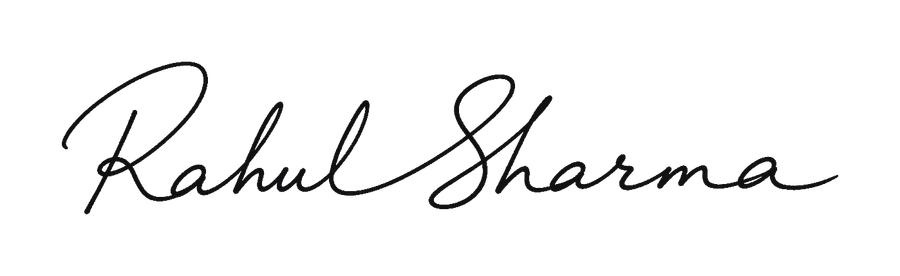
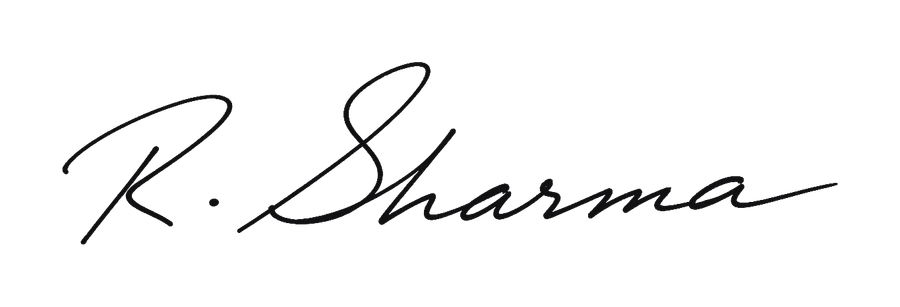
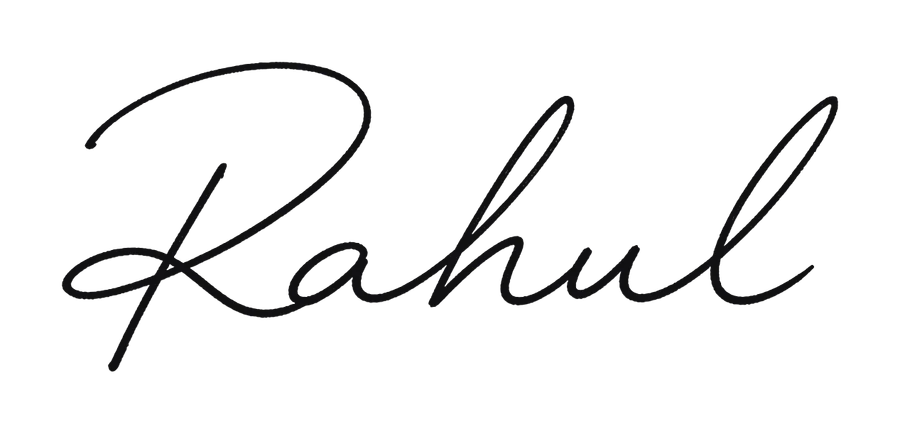
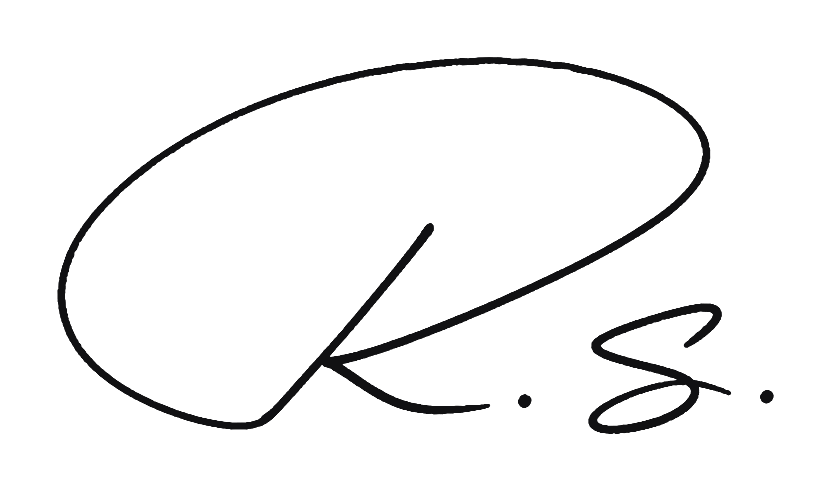
| Option | Good for | Watch out |
|---|---|---|
| Full name | Official, legal and bank documents; short names | Long names get slow and messy |
| Initial + surname | Almost everything; the most popular choice | Make the initial distinctive |
| First name only | Personal letters, creative work, autographs | Less formal; some banks prefer the surname |
| Initials only | Initialling pages of a contract, quick approvals | Easy to copy; not ideal as your main signature |
What does "signature with initials not allowed" mean?
Some exam and government forms say the signature must not be in initials or in capital letters. It means you must sign with your name written in your normal joined handwriting, for example "Rahul Sharma" or "R. Sharma" written cursively, not "RS" and not "RAHUL SHARMA" in block capitals. If your everyday signature is only initials, keep a full-name version for these forms.
Do banks accept initials?
Banks accept the signature you registered, whatever its form, as long as you reproduce it consistently. The risk with initials is that they're simple to forge and look slightly different each time, which causes cheque returns. That's why most people register a full-name or initial + surname signature.
Initialling vs signing
On long contracts you'll often initial every page and sign the last one. It's normal to have both: a full signature and a short set of initials in the same style.